 By
By 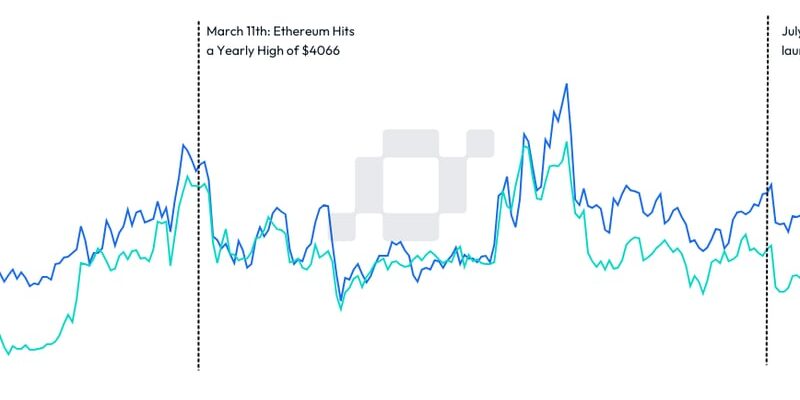
The Ethereum (ETH) market has experienced a liquidity drop of 20% in the wake of the launch of the Ether Exchange Traded Fund (ETF). This drop comes in the immediate aftermath of the fund’s introduction, leading to insights into potential impacts on the liquidity of cryptocurrency markets when mainstream financial products are incorporated
With the advent of the Ether ETF, it was expected that by attracting more investments, it would boost the liquidity of the Ethereum market. However, the reverse has occurred, leading to concerns over the effects that similar introductions may have on other cryptocurrencies. Cryptocurrency trading, with its decentralised nature and utility in fostering financial inclusivity, is experiencing significant shifts as traditional forms of financial investment vehicles become part of the mix.
When there is a decrease in market liquidity, it means there are fewer assets being bought or sold at any given time. This results in a smaller pool of potential sellers and buyers, which can lead to price volatility. Despite the challenges posed by the decrease in liquidity, Ethereum remains a popular choice as an investment asset and continues to drive blockchain development.
In conclusion, the integration of conventional financial products into the rapidly evolving cryptocurrency market presents a new frontier of exploration. While it is true that the introduction of the Ether ETF has led to a dip in ETH market liquidity, the reverse situation is equally probable with the right tweaks. As investors and the financial community continue to monitor these situations, it will be fascinating to follow how the dynamics of this industry evolve in the coming years.
Source: CoinDesk











Comments